
In the ever-evolving world of streetwear, few brands have managed to carve out a distinct identity while maintaining mass appeal. One such brand is Fear of Essentials Clothing God Essentials. Born from the mind of Jerry Lorenzo, Essentials operates as the more accessible diffusion line of the high-end Fear of God label. While many streetwear enthusiasts gravitate toward big names like Supreme, Off-White, and BAPE, Essentials has carved a niche for itself by focusing on minimalism, quality, and understated luxury. But how does Fear of God Essentials truly compare with other popular streetwear brands?
The Origins and Philosophy of Fear of God Essentials
Before diving into comparisons, it’s important to understand what sets Fear of God Essentials apart. Launched in 2018, Essentials was created to offer a more affordable and wearable version of Fear of God, which is known for its high price points and luxury aesthetic. Jerry Lorenzo designed Essentials with the intent of offering daily staples that could be mixed effortlessly into any wardrobe. With neutral tones, oversized silhouettes, and subtle branding, Essentials focuses on form and function rather than loud logos or flashy designs.
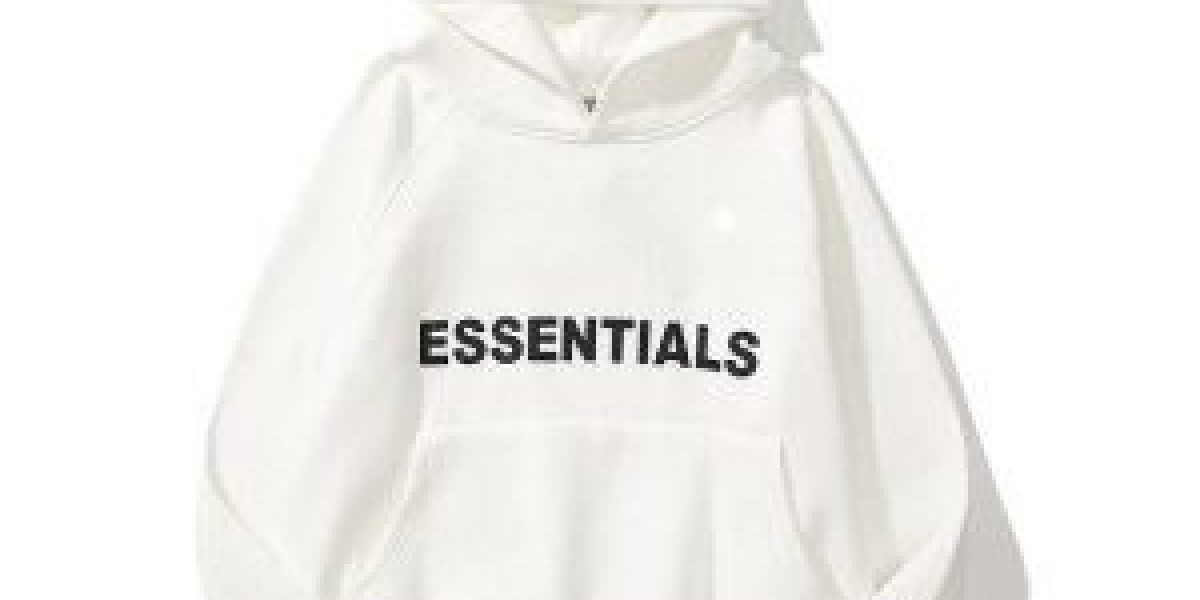
Unlike traditional streetwear brands that often embrace brashness, rebellion, or pop culture references, Essentials takes a more refined, elevated approach. It positions itself closer to lifestyle fashion while still maintaining its roots in streetwear culture. The branding is intentionally understated, often consisting of a small "Essentials" logo in tonal print or rubberized patches.
Supreme: The Culture Pioneer
When people think of streetwear, Supreme is often the first name that comes to mind. Founded in 1994, Supreme built its identity on exclusivity, collaborations, and limited drops. The brand’s popularity is driven by hype culture, often creating chaos on drop days and commanding astronomical resale prices.
Compared to Supreme, Essentials is much more subdued. Supreme thrives on bold graphics, skate culture roots, and loud brand expression, while Essentials leans toward simplicity and everyday utility. Supreme pieces are often season-specific and statement-driven, whereas Essentials garments are timeless and versatile. Supreme represents the edgy, rebellious side of streetwear, while Essentials caters to those who prefer muted tones and modern tailoring.
While Supreme may have a stronger cultural impact in terms of collaborations and media attention, Essentials is emerging as a brand focused on longevity and wardrobe coherence. Supreme is about collecting; Essentials is about wearing.
Off-White: The Intersection of Art and Fashion
Off-White, founded by Virgil Abloh, redefined the modern luxury streetwear landscape. It blends street culture with avant-garde design and often plays with irony and deconstruction. Off-White’s signature quotation marks, zip ties, and diagonal stripes have become icons in themselves. The brand doesn't shy away from making bold statements and often merges art, architecture, and fashion.
Fear of God Essentials, by contrast, is not as focused on intellectual design statements. It doesn’t aim to challenge the concept of clothing or fashion norms. Instead, it refines the basics. Essentials is about perfecting the hoodie, the sweatpant, the tee—making them better, more comfortable, and more cohesive.
Off-White’s pricing is closer to Fear of God’s mainline, whereas Essentials is priced for broader access. Where Off-White excels in pushing design boundaries and collaborating with institutions like IKEA or Nike, Essentials finds its strength in staying grounded, in being wearable and adaptable.
BAPE: The Legacy of Japanese Streetwear
A Bathing Ape, or BAPE, founded in Japan by NIGO, brings a different flavor to the streetwear scene. It’s a brand rooted in vibrant, eccentric design. Known for its shark hoodies, camouflage patterns, and loud graphics, BAPE appeals to those who want their fashion to be seen and remembered. Over the years, it’s grown from a cult brand into a global phenomenon, often spotted on celebrities and hip-hop artists.
In comparison, Fear of God Essentials takes a drastically different approach. The Essentials aesthetic avoids the flamboyance of BAPE. It does not rely on bold color palettes or cartoonish graphics. Essentials thrives on neutral hues, quality fabrication, and fit. Its pieces can be worn daily, dressed up or down, and adapted for various settings. While BAPE celebrates youth and vibrance, Essentials embodies maturity and restraint.
Where BAPE taps into the expressive and playful side of fashion, Essentials speaks to those who appreciate subtlety and tonal styling. The difference is not just in design but in the message: BAPE shouts, while Essentials whispers.
Stüssy: The Original Streetwear Brand
Stüssy is often credited as the brand that gave birth to modern streetwear. Launched in the early 1980s, it began with a surf and skate background and gradually evolved into a global icon. Stüssy has remained consistent over decades, focusing on laid-back Californian vibes mixed with global subcultures, from reggae to punk to hip-hop.
Fear of God Essentials, although also rooted in California, offers a much more structured and fashion-forward version of casualwear. Stüssy’s charm lies in its DIY aesthetic and decades of cultural influence. It’s playful and irreverent, with graphic tees and printed shirts being staples of its collections.
Essentials, on the other hand, is more tailored toward clean lines, oversized fits, and a cohesive palette. It doesn’t rely on nostalgia or subcultural affiliations. While Stüssy feels retro and youthful, Essentials presents a futuristic vision of loungewear and street fashion. Both serve important but distinct roles in the fashion ecosystem—Stüssy is about individuality and history, Essentials is about minimalism and refinement.
The Fear of God Essentials Appeal
So, why has Fear of God Essentials managed to hold its Essential Hoodie ground among such heavyweights? Its appeal lies in its focus on comfort, accessibility, and aesthetic clarity. It offers a way for people to participate in the Fear of God universe without spending four figures. Essentials gives fashion-forward consumers a chance to embrace quality, oversized tailoring, and neutral aesthetics without shouting for attention.
Its pieces are versatile, often unisex, and designed to function in multiple settings—home, gym, city, or even casual office environments. Unlike many streetwear brands that lose their luster outside of urban centers or trend cycles, Essentials remains relevant through its adaptability and refined simplicity.
Moreover, the strategic release of Essentials drops through platforms like SSENSE, PacSun, and Mr. Porter has helped it maintain a level of exclusivity while remaining within reach. The brand’s popularity has been amplified by celebrity endorsements and the cultural capital of its founder, Jerry Lorenzo, who has become a respected figure not only in fashion but in sportswear and design circles.
Conclusion: A Place for Every Brand
The streetwear landscape is vast and diverse, and there is no single definition that captures it all. Each brand offers something unique. Supreme thrives on hype and limited-edition culture. Off-White explores fashion as art. BAPE brings color, history, and playfulness. Stüssy embodies counterculture and West Coast cool. Fear of God Essentials fills a different void—one of calm, cohesion, and everyday elegance.
In a world increasingly saturated with fast fashion and brand collaborations, Essentials provides a refreshing alternative. It doesn’t chase trends—it sets its own pace. For those who seek wearable luxury without the flash, Fear of God Essentials continues to stand out as one of the most consistent and stylish forces in modern streetwear.