
The landscape of underground utility installation has undergone a transformative shift in recent decades, largely due to the advent and rapid adoption of Horizontal Directional Drilling (HDD). This innovative trenchless technology is changing how contractors and engineers approach the installation of pipelines, cables, and conduits beneath the surface, offering significant benefits over traditional excavation methods. In this article, we will explore how Horizontal Directional Drilling is revolutionizing underground utility installation, why it has become the preferred method for many projects, and the advantages it provides in terms of efficiency, environmental impact, and cost.
Understanding Horizontal Directional Drilling
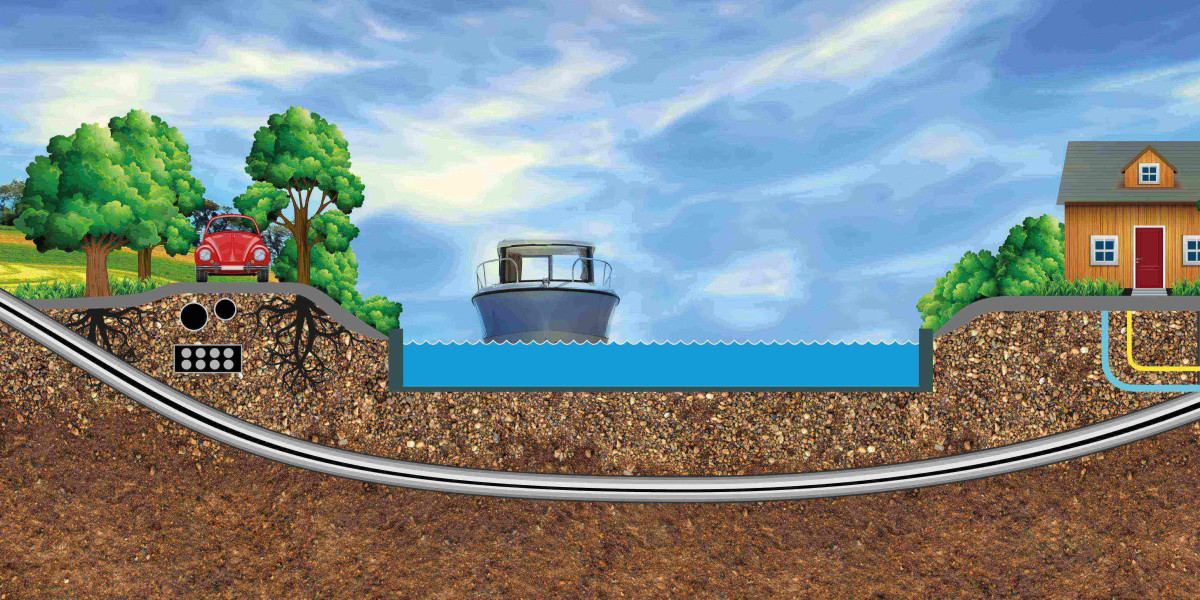
Before diving into its revolutionary impact, it’s important to understand what Horizontal Directional Drilling entails. HDD is a method of installing underground utilities along a predetermined path without the need for continuous open trenching. Using advanced drill rigs, engineers guide a drill bit along a horizontal or slightly inclined path below the surface, creating a borehole through which pipes or cables can be pulled or pushed.
This process generally involves three key stages:
Pilot Hole Drilling: A small diameter pilot hole is drilled along the planned route.
Reaming: The pilot hole is enlarged to accommodate the size of the utility being installed.
Pullback: The pipeline or conduit is pulled back through the borehole to complete the installation.
Because of its trenchless nature, Horizontal Directional Drilling allows for minimal surface disruption, which is a game-changer in urban environments, environmentally sensitive areas, and locations with existing infrastructure.
Revolutionizing Utility Installation: The Key Benefits of HDD
1. Minimizing Surface Disruption and Environmental Impact
Traditional underground utility installation often involves open-cut trenching, which requires digging extensive trenches along the entire length of the installation route. This method can disrupt traffic, damage landscapes, and disturb ecosystems. In contrast, Horizontal Directional Drilling enables installations beneath roads, rivers, wetlands, and other sensitive areas without disturbing the surface.
This trenchless technique drastically reduces soil erosion, sediment runoff, and habitat disruption, making it a far more environmentally friendly choice. For municipalities and developers with strict environmental regulations, HDD presents a sustainable solution that aligns with green construction practices.
2. Enhanced Efficiency and Reduced Project Timelines
Projects that use traditional open-cut excavation often face delays due to the extensive preparation, excavation, and restoration work required. Horizontal Directional Drilling streamlines this process by limiting the need for surface excavation to just entry and exit pits. This can lead to faster project completion times and less downtime.
The ability to drill beneath obstacles like highways, railroads, and waterways without the need to reroute traffic or disrupt daily activities means that projects can proceed without costly interruptions. Additionally, HDD equipment can often work in challenging soil conditions where traditional digging would be slow or impossible.
3. Cost-Effectiveness Over the Long Term
While the upfront costs of Horizontal Directional Drilling equipment and setup can be higher than those of open trenching, the overall project costs are often lower due to reduced labor, shorter timelines, and minimized restoration expenses. Avoiding the need to repave roads, restore landscaping, or manage traffic detours results in significant savings.
Moreover, by protecting existing infrastructure from damage during installation, HDD reduces the risk of costly repairs and liability issues. This financial advantage makes HDD an attractive option for municipalities, utility companies, and private developers alike.
4. Improved Safety for Workers and the Public
Open trenches and large excavation sites pose safety hazards for workers and the general public, including risks of trench collapse, vehicle accidents near excavation zones, and exposure to underground utilities. Horizontal Directional Drilling reduces these risks by confining most work to controlled entry and exit pits, away from busy surface areas.
This containment creates a safer working environment and minimizes the potential for accidents involving pedestrians or traffic. Additionally, reduced surface disturbance helps prevent accidental damage to other underground utilities, a common hazard in traditional trenching.
Applications of Horizontal Directional Drilling in Underground Utility Installation
The versatility of Horizontal Directional Drilling makes it suitable for a wide range of utility installation projects, including:
Water and Sewer Lines: HDD is commonly used to install new water mains and sewer lines beneath roads and environmentally sensitive areas.
Gas Pipelines: The method allows for the safe and secure placement of natural gas pipelines without the need for open trenches.
Telecommunications and Fiber Optics: With the surge in demand for high-speed internet and communication networks, HDD is increasingly used to install fiber optic cables with minimal disruption.
Electrical Conduits: Utility companies use HDD to install electrical conduits beneath highways and urban areas without cutting through existing infrastructure.
These varied applications demonstrate how HDD is not limited to a single industry but is becoming a standard approach across sectors.
Challenges and Considerations in Horizontal Directional Drilling
Despite its many benefits, Horizontal Directional Drilling does come with challenges that need to be addressed for successful project outcomes:
Soil and Subsurface Conditions: HDD works best in certain soil types like clay, sand, and soft rock. Hard rock or highly variable geology may require specialized equipment or alternate methods.
Accurate Planning and Design: Successful HDD projects depend on precise geotechnical surveys and careful route planning to avoid underground obstacles.
Environmental Risks: While generally less disruptive, HDD carries the risk of inadvertent release of drilling fluids (called frac-outs) that can contaminate surface water if not properly managed.
Despite these challenges, advances in technology, improved monitoring systems, and skilled operators have significantly mitigated risks associated with HDD.
The Future of Underground Utility Installation with Horizontal Directional Drilling
As urban areas continue to grow and the demand for new and upgraded infrastructure rises, Horizontal Directional Drilling is poised to play an even larger role in underground utility installation. Innovations such as real-time steering technologies, better drilling fluids, and enhanced monitoring systems are making HDD more precise, reliable, and efficient.
Additionally, the increasing emphasis on sustainability and reduced environmental footprints in construction projects means HDD will likely become the default choice for many utility installations in sensitive or congested areas.
Conclusion
In summary, Horizontal Directional Drilling is revolutionizing underground utility installation by offering a trenchless, efficient, and environmentally friendly alternative to traditional excavation methods. Its ability to minimize surface disruption, reduce project timelines, enhance safety, and lower long-term costs makes it an indispensable technology in modern infrastructure development.