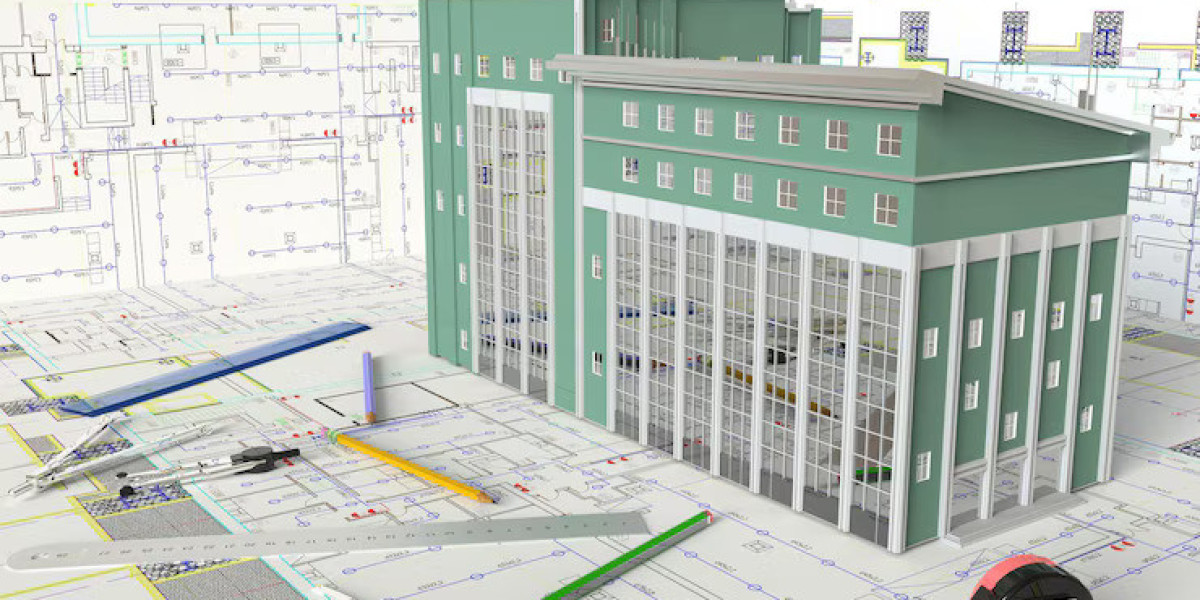

Construction projects are complex, demanding, and prone to delays and unforeseen issues. For industry professionals, staying on schedule while managing resources effectively can feel like solving an impossible puzzle. However, the advent of 4D BIM Scheduling is changing the way construction projects are planned and executed.
This blog will explore how 4D BIM Scheduling services empower construction managers to optimize time management, reduce risks, and deliver projects with greater efficiency. By the end, you’ll have insights into its benefits, real-world applications, and how to adopt it successfully.
Understanding 4D BIM Scheduling
Before we examine the transformation it brings, let's define 4D BIM Scheduling.
At its core, 4D Building Information Modeling (BIM) integrates the “time” factor into traditional 3D BIM models by adding schedule-related information. It allows project managers to visualize the construction process across time, providing a dynamic representation of how a project will unfold.
Unlike static project plans, 4D BIM creates a simulation of construction sequences, helping stakeholders foresee issues, plan contingencies, and align resources with precision.
Traditional Project Management Limitations
Traditional project management methods, while functional, come with inherent limitations that hinder efficiency in construction projects.
Common issues faced
- Siloed planning: Schedules, cost data, and design plans are often managed separately, leading to communication gaps.
- Static scheduling: Gantt charts and timelines fail to provide a dynamic, real-time view of construction progress.
- Construction delays: Poor coordination of resources and unforeseen site conditions frequently derail on-time delivery.
- Limited predictive insight: Traditional tools lack the ability to foresee how minor changes could influence the entire project timeline.
These limitations underline the urgent need for an innovative approach like 4D BIM Scheduling.
Benefits of 4D BIM Scheduling
Here’s how integrating 4D BIM Scheduling services revolutionizes construction project management.
1. Real-time collaboration and communication
4D BIM breaks down silos by creating a unified platform where architects, engineers, contractors, and owners can collaborate effectively. Real-time visuals ensure transparent communication and alignment among teams.
2. Improved risk management
By simulating construction sequences, teams can preemptively identify and address potential risks. Clash detection further ensures that elements like scaffolding or materials placement won’t interfere with construction efficiency.
3. Enhanced scheduling efficiency
Gone are the days of static schedules! With 4D BIM, project managers can create better resource allocations, identify critical project milestones, and adapt schedules to ongoing project pressures.
4. Lower costs and reduced rework
Poor planning often results in costly rework. 4D BIM mitigates this by visualizing potential issues before breaking ground, leading to savings in material, labor, and time.
5. Stronger stakeholder confidence
From stakeholders to end clients, everyone gains clarity about project timelines and progress. Visual representations and data-backed schedules improve trust and satisfaction.
Real-World Examples and Case Studies
Adoption of 4D BIM Scheduling services is no longer in its infancy. Here are some real-world examples of its impact.
Example 1 The Chudasama Outsourcing Advantage
A construction project in Melbourne faced significant delays due to design and scheduling misalignment among stakeholders. Partnering with Chudasama Outsourcing, 4D models were implemented to integrate the project design with timelines effectively. The result? A 25% improvement in completion time while reducing project costs by 18%.
Example 2 Redevelopment of Commercial Complex
During the redevelopment of a commercial hub in New York, 4D BIM aided contractors in sequencing the demolition and new construction efficiently while minimizing disruptions to nearby businesses. With predictive simulations, teams avoided two major potential delays.
Implementing 4D BIM Scheduling
To seamlessly adopt and benefit from 4D BIM Scheduling services, it’s essential to follow a structured approach.
Step 1 Define project objectives
Begin by outlining key objectives for adopting 4D BIM. Are you looking to improve scheduling accuracy, reduce risks, or enhance collaboration?
Step 2 Onboard the right tools
Invest in reliable BIM software like Autodesk Navisworks, Synchro PRO, or Tekla Structures that support 4D simulations.
Step 3 Partner with experts
Engage experienced outsourcing consultants like Chudasama Outsourcing, who can guide implementation and offer tailored solutions.
Step 4 Train your team
Ensure project teams are trained to leverage 4D technology effectively. Invest in workshops and certification programs that build competency.
Step 5 Start small and measure
Begin with a pilot project to assess adoption outcomes. Evaluate metrics such as schedule improvements, cost savings, and stakeholder satisfaction.
Overcoming Challenges in 4D BIM Adoption
Despite its many advantages, adopting 4D BIM is not without challenges.
Common hurdles
High upfront costs: Investing in new software tools and training may strain budgets initially.
Resistance to change: Some project teams might cling to traditional methods.
Technical expertise gaps: Lack of experienced 4D BIM professionals can slow implementation.
Solutions
Break down adoption into manageable stages to spread out costs.
Communicate the long-term value of 4D BIM to stakeholders to foster buy-in.
Partner with outsourcing experts like Chudasama Outsourcing to fill technical gaps.
The Future of Construction Project Management with 4D BIM
The benefits of 4D BIM Scheduling are just a glimpse of what’s to come. Future advancements like 5D BIM (integrating cost data) and enhanced AI-driven optimizations promise to further transform construction project management.
By adopting 4D BIM technology today, construction firms future-proof their processes while setting a strong foundation for innovation-driven growth. The projects of tomorrow demand solutions like these to stay ahead.
Why you should start with 4D BIM today
From improving schedule accuracy to fostering collaboration, 4D BIM Scheduling is bridging traditional gaps in construction project management. Now’s the time for construction teams to adopt this revolutionary approach and reap its incredible benefits.
Need help getting started? Chudasama Outsourcing specializes in offering top-notch 4D BIM Scheduling services tailored to your project needs. Get in touch today to elevate your construction projects to the next level.