
Table of Contents
Introduction
The Importance of Providing Safety Equipment
2.1 Linking Equipment Awareness to a Safety Officer Course in Pakistan
Categories of Workplace Safety Equipmen
3.1 Personal Protective Equipment (PPE)
3.2 Fire Safety Equipme
3.3 First Aid Kits and Emergency Supplies
3.4 Signage and Communication Tools
3.5 Ergonomic Equipment
3.6 Electrical Safety Tools
Personal Protective Equipment (PPE)
4.1 Head Protection
4.2 Eye and Face Protection
4.3 Hand and Arm Protection
4.4 Body Protection
4.5 Respiratory Protection
4.6 Foot Protection
Fire Safety Equipment
5.1 Fire Extinguishers
5.2 Fire Blankets
5.3 Smoke Detectors and Alarms
5.4 Emergency Exit Signs and Lighting
First Aid and Emergency Equipment
6.1 First Aid Kits
6.2 Emergency Showers and Eyewash Stations
6.3 Stretchers and Rescue Tools
Signage and Safety Communication Tools
7.1 Mandatory and Warning Sign
7.2 Digital Safety Boards
7.3 Labels and Tags
Ergonomic Safety Tools
8.1 Adjustable Desks and Chairs
8.2 Anti-Fatigue Mats
8.3 Proper Lifting Equipment
Electrical Safety Equipment
9.1 Insulated Tool
9.2 Circuit Breakers and Fuses
9.3 Lockout/Tagout Devices
Implementation of Safety Equipment
10.1 Conducting Risk Assessments
10.2 Training Employees on Equipment Use
10.3 Regular Inspections and Maintenance
Connecting Equipment Knowledge with a Safety Course in Pakistan
11.1 Practical Training for Real-world Preparedness
11.2 Enhancing Workplace Compliance Through Education
Conclusion
1. Introduction
Every workplace, whether industrial, commercial, or corporate, contains hazards. To mitigate these risks and ensure the well-being of employees, it is essential to equip the workspace with the right safety tools. Employers have a legal and moral responsibility to provide appropriate safety equipment tailored to their environment.
2. The Importance of Providing Safety Equipment
Having the right safety equipment on-site is a foundational part of a comprehensive workplace safety program. It helps prevent accidents, protects workers from injury, and promotes a culture of responsibility and care.
2.1 Linking Equipment Awareness to a Safety Officer Course in Pakistan
Understanding what equipment is required, how to use it, and how to maintain it correctly is emphasized in a Safety Officer Course in Pakistan. These programs are designed to train professionals who can assess workplace hazards and implement the right safety measures, including the deployment of essential equipment.
3. Categories of Workplace Safety Equipment
Safety equipment can be classified into multiple categories, each with a specific purpose depending on the type of work environment.
3.1 Personal Protective Equipment (PPE)
This includes gear that individuals wear to protect against physical, chemical, or biological hazards.
3.2 Fire Safety Equipment
Tools and devices that help prevent, detect, and extinguish fires.
3.3 First Aid Kits and Emergency Supplies
Medical tools and supplies needed to treat injuries on-site.
3.4 Signage and Communication Tools
Visual aids that communicate danger zones and instructions.
3.5 Ergonomic Equipment
Tools that help reduce strain and improve workplace comfort and posture.
3.6 Electrical Safety Tools
Equipment used to prevent electrical hazards during repairs or installations.
4. Personal Protective Equipment (PPE)
4.1 Head Protection
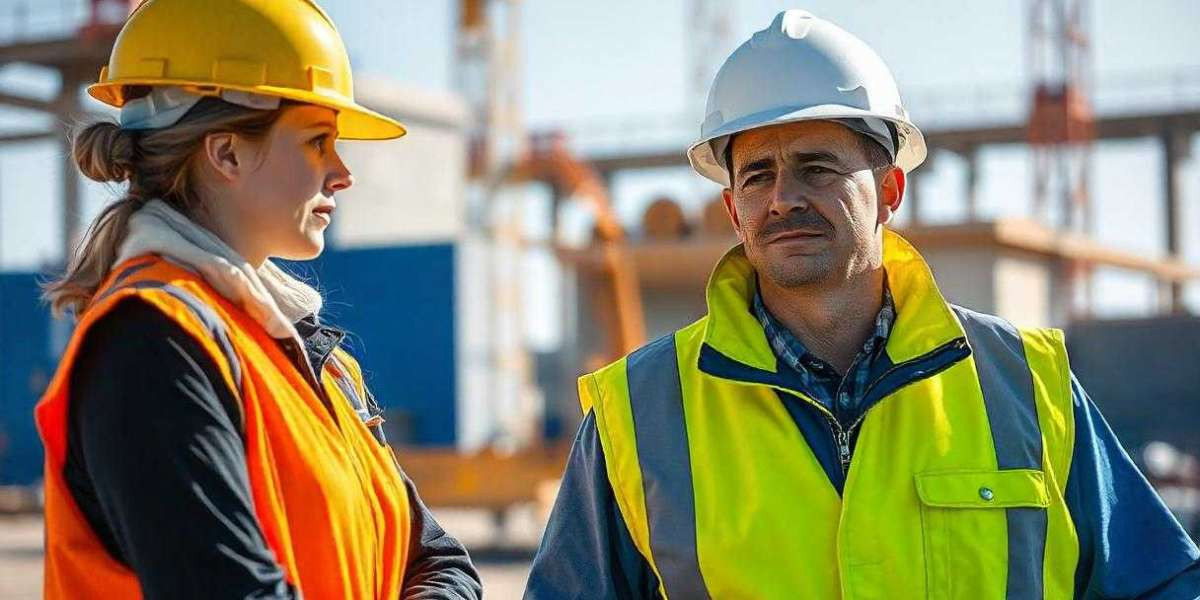
Helmets or hard hats protect against falling objects, especially in construction or industrial zones.
4.2 Eye and Face Protection
Safety goggles and face shields are essential when dealing with chemicals, flying particles, or bright lights.
4.3 Hand and Arm Protection
Gloves made of rubber, leather, or specialized materials protect against cuts, burns, and chemical exposure.
4.4 Body Protection
Coveralls or full-body suits shield workers from sparks, spills, and extreme temperatures.
4.5 Respiratory Protection
Masks and respirators are vital in environments with dust, smoke, gases, or insufficient oxygen.
4.6 Foot Protection
Steel-toe boots and non-slip shoes prevent foot injuries from falling objects and slippery floors.
5. Fire Safety Equipment
5.1 Fire Extinguishers
Different classes of extinguishers tackle different types of fires – from electrical to grease fires.
5.2 Fire Blankets
Useful for smothering small fires or wrapping around individuals whose clothes are on fire.
5.3 Smoke Detectors and Alarms
Early detection systems that warn employees of fire hazards.
5.4 Emergency Exit Signs and Lighting
Illuminated exit signs and backup lighting guide staff during evacuations.
6. First Aid and Emergency Equipment
6.1 First Aid Kits
Must include bandages, antiseptics, burn cream, pain relievers, and more.
6.2 Emergency Showers and Eyewash Stations
Critical for chemical handling areas to quickly rinse off hazardous substances.
6.3 Stretchers and Rescue Tools
Useful in moving injured individuals without further harm.
7. Signage and Safety Communication Tools
7.1 Mandatory and Warning Signs
Clearly visible signs communicate rules, hazards, or emergency actions.
7.2 Digital Safety Boards
Used in large workplaces to display current alerts or safety reminders.
7.3 Labels and Tags
Equipment and hazardous materials should be clearly labeled for easy identification and caution.
8. Ergonomic Safety Tools
8.1 Adjustable Desks and Chairs
Reduce the risk of musculoskeletal disorders in office environments.
8.2 Anti-Fatigue Mats
Provide support and comfort for workers standing for extended periods.
8.3 Proper Lifting Equipment
Trolleys, lifters, and hoists reduce strain and prevent back injuries.
9. Electrical Safety Equipment
9.1 Insulated Tools
Used for working on live circuits safely.
9.2 Circuit Breakers and Fuses
Prevent overheating, overloading, and short-circuits.
9.3 Lockout/Tagout Devices
Ensure machinery is powered off and cannot be reactivated during maintenance.
10. Implementation of Safety Equipment
10.1 Conducting Risk Assessments
Identify what equipment is necessary by analyzing tasks and hazards.
10.2 Training Employees on Equipment Use
Provide hands-on training for proper usage, storage, and maintenance.
10.3 Regular Inspections and Maintenance
Keep all safety gear in top condition through scheduled checks and replacements.
11. Connecting Equipment Knowledge with a Safety Course in Pakistan
11.1 Practical Training for Real-world Preparedness
A Safety Course in Pakistan equips participants with knowledge on the proper selection and application of workplace safety tools.
11.2 Enhancing Workplace Compliance Through Education
By enrolling in certified training, workers and managers are better equipped to meet national and international safety standards.
Conclusion
Providing the correct safety equipment is not a luxury it’s a necessity. From personal protective gear to fire prevention tools and ergonomic solutions, having the right equipment can mean the difference between safety and serious injury. Training professionals through a Safety Officer Course in Pakistan ensures a pipeline of knowledgeable leaders who can implement and monitor safety strategies effectively. Furthermore, taking a certified Safety Course in Pakistan can empower every employee to understand, utilize, and respect the role of safety equipment in their daily tasks. As a result, workplaces become more secure, productive, and compliant with safety standards.