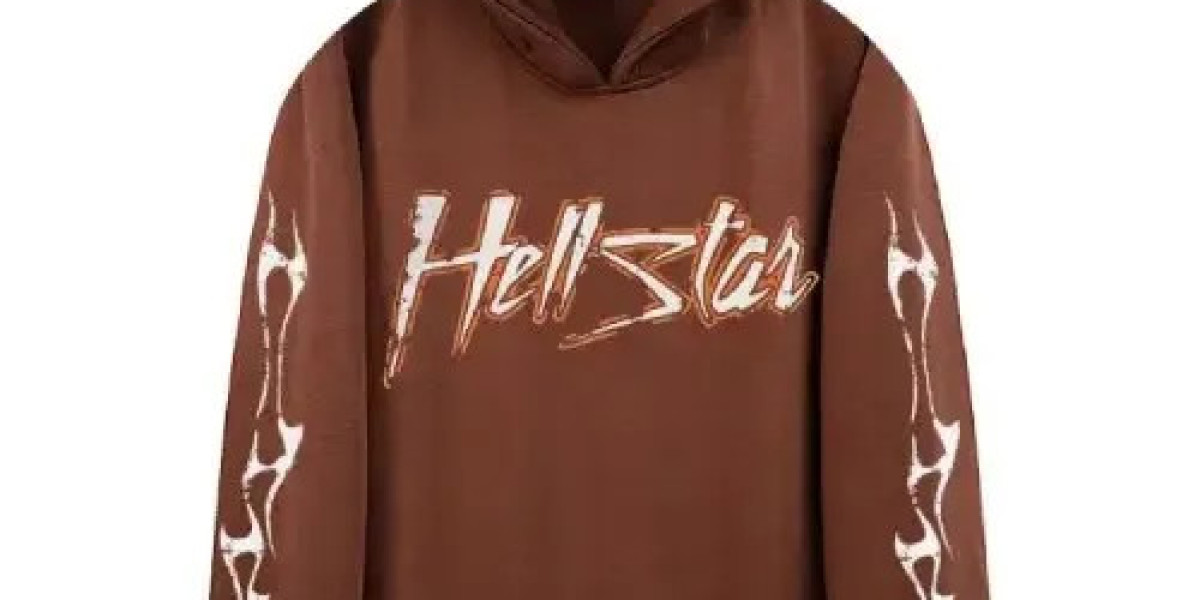

In the fast-paced world of fashion, only a few brands manage to etch their names into the minds of consumers with a bold mix of originality, message, and aesthetic dominance. Among those select few stands Hellstar, a streetwear brand that has rapidly emerged from the underground into the limelight, becoming a cultural symbol among youth, creatives, and influencers. What began as a raw, rebellious project has evolved into a full-fledged fashion movement. But what exactly is it about Hellstar that commands such magnetic attention? This article delves deep into the rise, identity, and influence of Hellstar, revealing why it is more than just clothing—it’s a reflection of an entire generation’s mindset.
The Origins of Hellstar: Born in the Shadows, Built for the Bold
Hellstar didn’t emerge from glossy fashion studios or corporate boardrooms. Instead, it was forged in the fiery depths of counterculture—created by visionaries who understood the pulse of the streets and the psychology of rebellion. The brand was co-founded by a group of artists, creatives, and fashion enthusiasts who rejected the mundane and sought to express chaos, darkness, and duality through fabric and form. Drawing inspiration from dystopian imagery, punk rock, and the mystique of the cosmos, the brand encapsulates a dystopic-yet-empowering aesthetic.
The name “Hellstar” itself is a contradiction. It fuses two opposing concepts—‘hell’ representing pain, rebellion, and suffering, and ‘star’ symbolizing brilliance, destiny, and elevation. This oxymoronic blend forms the philosophical basis of the brand: the idea that from chaos can come greatness, and from struggle can rise stars. Every garment, logo, and campaign the brand releases subtly reinforces this core message, attracting fans who resonate with this narrative of rising through adversity.
The Signature Aesthetic: Dark, Cosmic, and Bold
What sets Hellstar apart in the saturated world of streetwear is its unmistakable aesthetic. The brand uses a visually gripping style—marked by dark palettes, distorted typography, and graphic-heavy designs. Many of their hoodies, shirts, and accessories feature haunting visuals: flaming skulls, star clusters, shadowy silhouettes, and cryptic phrases. These are not just design elements—they’re symbols of rebellion, identity, and exploration.
Hellstar garments are often designed to look both timeless and post-apocalyptic. The cuts are modern yet rugged, and the distressed textures mimic the rawness of underground fashion culture. Earth tones, grays, blacks, and occasionally metallic finishes dominate the clothing line, giving each piece a mysterious, almost ritualistic quality. These designs often feel like wearable art pieces—garments you could see in a runway show as much as on the streets of New York or Tokyo.
But Hellstar isn’t just about visuals. The brand pays obsessive attention to quality and detail. Thick, premium cotton; carefully stitched seams; oversized cuts; and bold screen prints ensure each piece feels like a statement. Wearing Hellstar is not about being trendy—it’s about making a declaration of self.
The Symbolism Behind the Brand: More Than Just Fashion
One of Hellstar’s most powerful traits is its use of symbolism and deeper messaging. From the beginning, the brand aimed to deliver more than style. It wanted to spark thought. The recurring use of celestial symbols, references to darkness and inner fire, and metaphysical quotes subtly challenge wearers to confront their identity, purpose, and place in the universe.
In many ways, Hellstar functions like wearable philosophy. It speaks to the quiet war inside each person—the conflict between light and darkness, between fear and ambition. Phrases like “Hellstar Worldwide” or “Born Through Fire” hint at personal transformation, global unity, and spiritual evolution. This blend of fashion and existential reflection draws in a cult-like following of deep thinkers, creatives, and nonconformists who see clothing not just as self-expression, but as a tool for communication and alignment.
Unlike brands that rely solely on hype or logo placement, Hellstar builds emotional loyalty. Customers don’t just buy hoodies—they buy into a mindset.
Influencer Culture and Celebrity Co-Signs: Fueling the Fire
No brand ascends the streetwear throne without the fuel of cultural relevance, and Hellstar Hoodie has mastered this art. The brand has been embraced by high-profile artists, musicians, and influencers who align with its ethos of defiance and transcendence. From underground rappers to global superstars, many have been spotted donning Hellstar apparel, elevating its visibility and desirability.
This co-sign culture has helped Hellstar penetrate diverse subcultures—from hip-hop and skateboarding to art and tech. The brand has managed to appeal across boundaries, thanks to its emotionally-charged storytelling and universally resonant themes. Fans wear Hellstar not just for the drip, but because it means something—it connects them to a tribe, a cause, a silent rebellion.
Moreover, Hellstar doesn’t follow traditional advertising tactics. It thrives on organic marketing, word-of-mouth hype, and visual storytelling. Their limited drops and exclusive releases drive demand, while the brand’s carefully curated online presence adds to its enigmatic allure. It’s a masterclass in building mystique in the digital age.
Limited Drops and Streetwear Psychology: The Art of Scarcity
Scarcity is one of the core pillars of modern streetwear culture, and Hellstar understands this game perfectly. Instead of mass-producing its designs, the brand opts for limited drops—often released with little warning, and frequently selling out in minutes. This strategy creates a psychological phenomenon known as “FOMO” (Fear of Missing Out), compelling buyers to act quickly and boosting the perceived value of each item.
The anticipation surrounding each drop turns every Hellstar release into an event. Fans monitor the brand’s social media for clues, discuss upcoming pieces on forums, and even camp online for launch windows. This frenzy not only drives sales but also builds a tightly-knit, passionate community.
Hellstar pieces become collector’s items. Each release has its own mood, theme, and energy—making it more than clothing, but a timestamp of culture. This model turns the consumer into a co-creator of the brand’s legacy, where ownership equals participation in a growing cultural phenomenon.
Hellstar in the Digital Era: A Movement Beyond Fashion
Hellstar has not only dominated physical fashion—it has carved a stronghold in digital culture as well. Through immersive visual campaigns, cryptic videos, and cinematic photography, the brand has built an online universe that transcends commerce. Their website feels more like a digital zine than a shopping platform, and their social feeds serve as mood boards of emotion, rebellion, and transformation.
This multimedia approach positions Hellstar not just as a fashion label, but as a digital lifestyle movement. It speaks directly to the TikTok generation—digital natives who crave authenticity, depth, and immersive storytelling. The brand’s visuals are share-worthy, its concepts meme-worthy, and its messages quote-worthy, making it a staple on every platform from Instagram to Discord.
By building this multidimensional presence, Hellstar becomes more than just what you wear—it’s what you follow, believe in, and represent.
The Future of Hellstar: Expansion Without Compromise
As Hellstar Tracksuit continues its meteoric rise, the question remains: how does a brand built on exclusivity and mystique scale without losing its essence? The answer lies in deliberate, authentic evolution. Hellstar has already begun to expand into new categories—introducing lifestyle accessories, collaborations, and capsule collections—but always with a careful eye on curation and storytelling.
There is also speculation about Hellstar moving into physical spaces—concept stores, pop-up installations, or experiential events. These would allow the brand to manifest its philosophy in tangible environments, creating fully immersive experiences where art, music, and fashion collide.
Moreover, Hellstar’s unique voice gives it room to explore collaborations outside the fashion world. Think: tech, film, or even gaming. As long as the brand stays true to its founding values—dark elegance, transformative philosophy, and cultural defiance—it can evolve without dilution.
Hellstar as a Mirror of Modern Identity
In a world overflowing with noise, trends, and imitation, Hellstar offers something different—an identity. It gives wearers the power to declare their resilience, question their reality, and embrace their inner contradiction. It’s fashion for the thinkers, the rebels, the artists, and the survivors. Every thread tells a story. Every design confronts a truth. And every drop becomes a symbol of something much larger than the fabric it’s made from.
Hellstar isn’t just a brand. It’s a mirror held up to a generation searching for meaning in a chaotic world. It asks not what you wear, but who you are becoming. And in doing so, it cements its place as not just the future of streetwear—but a cornerstone of cultural consciousness.