
Pakistan’s construction industry stands at a pivotal moment. From high-rise commercial buildings in Karachi to housing developments in Lahore and road infrastructure in Balochistan, the country is witnessing an unprecedented boom in development. But alongside this growth comes mounting pressure: tighter budgets, strict deadlines, and increasing project complexity.
Traditionally reliant on paper-based workflows and verbal communication, many construction companies in Pakistan are now realizing the limitations of old systems. Enter Construction Project Management Software in Pakistan—a digital game-changer designed to make construction smarter, faster, and more transparent.
What is Construction Project Management Software?
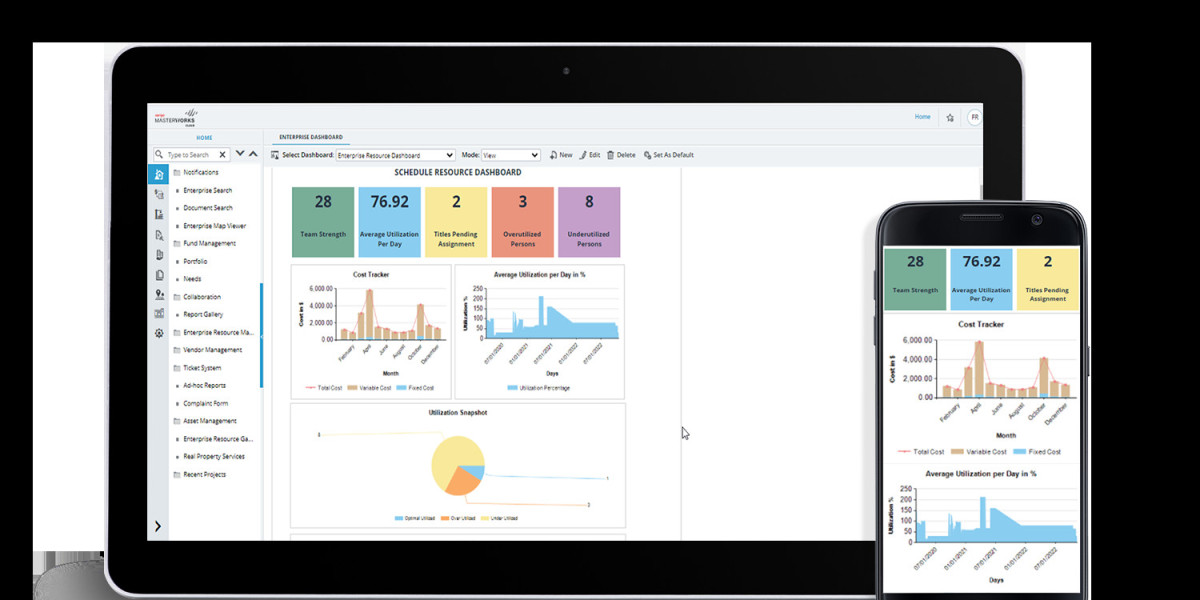
Construction Project Management Software is a digital platform that helps construction firms plan, coordinate, and execute projects more effectively. It integrates key aspects such as budgeting, scheduling, team collaboration, procurement, documentation, and reporting—providing real-time insights into every phase of a project.
Typical Features Include:
Task Scheduling and Calendar Views
Budget and Cost Tracking
On-Site Reporting via Mobile Apps
File Sharing and Document Version Control
Vendor and Subcontractor Management
Progress Dashboards and KPIs
These features ensure that every member of the team, from engineers to site managers, works in sync and makes decisions based on accurate, updated data.
Why CPMS Is Crucial in the Pakistani Context
1. High Project Complexity
Whether it's infrastructure backed by CPEC or multi-story apartment buildings, today’s projects involve many layers. CPMS reduces confusion and coordinates resources and timelines effectively.
2. Time-Sensitive Deliverables
Project delays are common in Pakistan, often due to miscommunication or resource mismanagement. With real-time updates and alerts, CPMS helps prevent setbacks and keeps everyone aligned with the project timeline.
3. Financial Discipline
Inconsistent budgeting is one of the top causes of construction failure. CPMS platforms offer live financial tracking, allowing project managers to compare planned vs. actual costs instantly.
4. Transparency and Accountability
Construction projects in Pakistan, especially public-sector ones, often face scrutiny regarding corruption or mismanagement. CPMS stores a digital trail of every decision and document—making audits easier and boosting trust with stakeholders.
Top Construction Management Tools Used in Pakistan
Here’s a breakdown of software solutions gaining popularity in Pakistan’s construction scene:
International Platforms
Procore – A robust tool for managing large-scale construction with features covering everything from design collaboration to safety tracking.
Buildertrend – Perfect for residential builders and small contractors due to its user-friendly interface and affordability.
Autodesk Build – Integrates with CAD tools for design-to-execution workflows, favored by architects and engineers.
Local and Regional Platforms
ConstructPak – Designed specifically for Pakistani builders, it offers bilingual support and budget-friendly pricing models.
eBuild360 – A newer cloud-based software built for mid-sized firms with modules for finance, materials, and HR.
Challenges Facing Adoption in Pakistan
Despite growing interest, there are still hurdles preventing wider CPMS adoption:
1. Digital Literacy
Many construction workers and site engineers have limited exposure to technology. This lack of familiarity can hinder software adoption.
2. Cost Concerns
Smaller firms, especially in the informal sector, are hesitant to invest in software—even though it could save them money in the long run.
3. Connectivity Limitations
Sites in rural areas may not have the consistent internet access required for cloud-based systems, making offline functionality essential.
4. Organizational Resistance
Traditional businesses are often slow to change, especially when senior management relies on legacy systems or manual methods.
Government and Industry Support: A Missed Opportunity
Pakistan’s construction policies currently lack strong incentives for digital transformation. If government bodies were to encourage or mandate the use of CPMS for large public infrastructure projects, it could spark broader industry adoption.
Potential steps include:
Tax incentives for companies investing in digital tools
Digital compliance requirements for public-sector tenders
Training programs under institutions like NAVTTC or TEVTA
Benefits Already Being Seen
Firms that have started using CPMS in Pakistan are reporting noticeable improvements:
Faster Decision-Making: One Islamabad-based firm cut project delays by 40% after adopting CPMS with mobile reporting.
Improved Cost Control: A Karachi developer saw a 15% decrease in budget overruns within one year.
Streamlined Communication: A Lahore-based contractor eliminated daily confusion with automated task notifications and centralized file sharing.
These outcomes prove that digital tools can significantly impact project performance—even in challenging environments.
The Future of CPMS in Pakistan
The outlook for construction project management software in Pakistan is promising. With increased smartphone penetration, greater cloud access, and a growing tech ecosystem, the next few years could see widespread adoption of CPMS tools.
Emerging Trends:
Mobile-First Platforms: On-site teams prefer apps over desktop dashboards.
AI-Powered Forecasting: Predictive analytics will help avoid costly mistakes.
Local Innovation: Pakistani developers are beginning to build solutions tailored to local regulations, weather conditions, and labor dynamics.
Integration with BIM: Merging Building Information Modeling with CPMS will improve planning, costing, and execution accuracy.
Conclusion: A Smarter Way to Build
Construction in Pakistan is moving into a new age—one where digital tools like Construction Project Management Software are no longer optional but essential. With increasing complexity, shrinking margins, and rising expectations from clients, firms that fail to modernize risk falling behind.
CPMS offers more than just convenience—it provides clarity, control, and competitive advantage. For Pakistan to meet its infrastructure goals and improve quality of life across cities and rural areas alike, the construction industry must build not just with concrete and steel—but with smart, digital foundations.