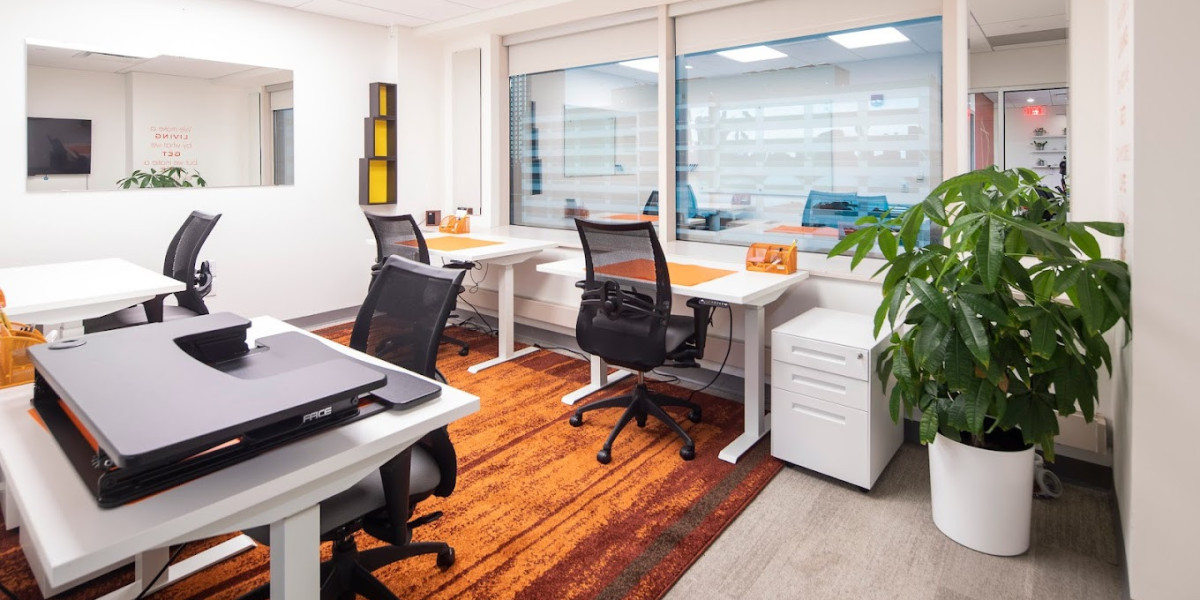

In recent years, the concept of a traditional office has dramatically evolved, with virtual offices emerging as a popular alternative. A virtual office is a flexible workspace model that enables employees and entrepreneurs to operate remotely, utilizing digital technology and communication tools. This transformation impacts not only how work is done but also the environmental footprint of businesses.
Eco-Friendly Benefits of a Virtual Office
One of the primary environmental advantages of virtual offices is the significant reduction in commuting. Employees working remotely eliminate the need for daily travel, which decreases greenhouse gas emissions, reduces air pollution, and lowers carbon footprints. Fewer commutes also mean less traffic congestion and less strain on transportation infrastructure.
Additionally, virtual office in Broadway contribute to decreased energy consumption in physical office buildings. Companies no longer need to operate large, energy-intensive spaces, leading to lower electricity use for lighting, heating, and cooling. This shift supports sustainability goals by minimizing overall resource consumption.
Digital Infrastructure and Environmental Impact
While virtual offices reduce physical resource use, they rely heavily on digital infrastructure—cloud computing, data centers, and communication platforms. These technologies require energy to operate, often sourced from non-renewable resources. However, many tech companies are investing in greener energy sources and more energy-efficient data centers, diminishing their environmental impact.
Redefining Workspace Environments
The environment within a virtual office is entirely digital—an ecosystem of software, hardware, and robust internet connectivity. This setup fosters flexibility, collaboration, and innovation, transforming the traditional workspace into a dynamic, global network.
Employees participate via laptops, tablets, and smartphones, creating an interconnected environment accessible anywhere with an internet connection. This environment encourages a decentralized work culture that promotes work-life balance and reduces the need for physical office spaces.
Challenges and Considerations
Despite its environmental benefits, virtual office Middletown also pose challenges. The increased reliance on electronic devices can lead to higher energy consumption at individual levels and electron waste if devices are not properly recycled. Additionally, the environmental impact of manufacturing and disposing of electronic devices must be considered.
Conclusion
The environment of a virtual office is characterized by reduced physical resource use, lower emissions related to commuting and office energy consumption, and a reliance on digital infrastructure. As technology advances and companies prioritize sustainability, virtual offices are poised to play a significant role in creating eco-friendly, flexible, and efficient work environments. Embracing this model not only benefits businesses but also contributes positively to our planet’s health.